 ISO Certified Company
+91-9233973156
ISO Certified Company
+91-9233973156
ISO Certified Company
+91-9233973156
ISO Certified Company
+91-9233973156

Create useful, memorable and search-friendly hospitality content that helps travelers discover your property, understand the destination, explore the experience and make more confident decisions.

Hospitality content marketing is the strategic creation, curation, and multi-channel publication of genuinely useful, evocative stories that answer traveler questions, articulate destination charm, and transform passive browsers into lifelong guests.
For decades, traditional hospitality advertising relied upon rigid, transactional mechanisms: glossy brochure displays, seasonal billboard announcements, static listing directory placements, and generic discounts pushed across fragmented sales channels. While these promotional levers may still produce occasional transient blips in occupancy, they fundamentally fail to cultivate sustained brand equity or protect long-term room pricing power.
Hospitality content marketing operates on a far more sophisticated, human-centered philosophy. Travelers planning a getaway, booking a high-stakes corporate symposium, or choosing an intimate venue for a milestone wedding are not merely searching for physical bed counts; they are actively seeking certainty, inspiration, logistical reassurance, and sensory immersion. They arrive with deep questions: "What will our mornings feel like here? Is the surrounding countryside safe and walkable for our children? Does the kitchen understand regional culinary heritage? Which room category captures the quietest valley sunrise?"
When a hospitality brand acts as a dedicated publishing house, it addresses every stage of this decision matrix with thoughtful, deeply researched editorial assets. Rather than shouting "Book Our Rooms Today!", the property authors definitive destination blueprints, detailed room architecture tours, honest travel weather guides, and culinary profiles. In doing so, the hotel or resort transitions from an interchangeable lodging commodity into an authoritative, indispensable travel companion.
At AdZio, our hospitality content marketing practice serves a diverse spectrum of lodging and travel enterprises:
"The goal of hospitality content marketing is not to publish more words; it is to eliminate hesitation, illuminate the journey, and make your property the obvious choice before the traveler ever opens an online travel agency."
A comprehensive hospitality publishing architecture does not abandon the traveler once a room deposit is paid. It weaves a continuous thread of trust across the entire guest continuum:
Equating hospitality content marketing with isolated 500-word blog posts is the single greatest strategic misunderstanding in modern travel marketing. True content marketing represents an expansive, connected multimedia ecosystem.
Your primary digital property is an immersive narrative environment. Beyond functional pricing tables, every suite category, dining venue, meeting space, and recreational lawn demands nuanced editorial storytelling that substantiates your rate card.
Long-form travel guides, seasonal packing checklists, local culture essays, and curated 3-day regional itineraries that rank prominently on Google, capturing travelers long before they commit to an accommodation partner.
High-definition 4K property walkthroughs, drone landscape cinema, 15-second ambient sensory reels, and documentary-style culinary profiles that evoke emotional yearning and authentic place attachment.
Structured FAQs, arrival logistics, child safety policies, pet-friendly guidelines, and dietary accommodations that dissolve uncertainty, prevent front-desk friction, and elevate pre-arrival anticipation.
Bespoke downloadable prospectuses, banquet floor layouts, audiovisual riders, and corporate offsite packages engineered specifically to convert high-ticket event inquiries into booked contracts.
Curated pre-arrival concierge sequences, post-departure gratitude notes, anniversary greetings, and seasonal harvest invitations that nurture lasting emotional bonds and stimulate repeated direct bookings.
A sustainable hospitality publishing house thrives on balance. We organize editorial output across ten foundational thematic pillars, ensuring your brand communicates the full breadth of its hospitality world.
Content celebrating the physical sanctuary: architectural heritage, courtyard layouts, environmental integration, private balconies, and landscaped gardens. This content establishes spatial scale, peaceful seclusion, and structural aesthetic integrity.
Authoritative regional guides that position your property as the premier gateway to local geography. Explores nearby viewpoints, hidden waterfalls, nature reserves, and historical ruins with genuine local insight.
Showcasing how guests spend their waking hours: infinity pool relaxation, restorative yoga sessions, pottery making, birdwatching trails, tennis matches, and quiet reading nooks, banishing the fear of vacation boredom.
Humanizing the hospitality brand by spotlighting the passionate team members who make the magic happen: the head gardener tending heritage orchids, the executive chef sourcing indigenous spices, and the concierge with insider secrets.
Elevating dining from routine sustenance to culinary artistry: farm-to-table sourcing, heirloom recipes, poolside mixology, candlelit private gazebo dinners, and celebratory holiday feast previews.
Eliminating pre-trip anxiety with pragmatic, turn-key travel advice: driving routes from major feeder cities, recommended fuel and EV charging stopovers, packing checklists by season, and transit coordination.
Fueling high-ticket commercial pipelines: showcasing breathtaking destination wedding mandap setups, banquet lawn lighting, corporate executive offsite retreats, and multi-generational family reunions.
Aligning editorial publishing with natural climate and calendar rhythms: the dramatic romance of the monsoon, the crisp clarity of winter evenings, school summer vacations, and festive holiday weekends.
Celebrating local heritage with dignity and cultural authenticity: regional temple architecture, folk musical traditions, indigenous textile weaving, and fair-wage partnerships with surrounding farming villages.
Communicating the guiding principles of your hospitality philosophy: architectural conservation, environmental sustainability, genuine guest privacy standards, and timeless hosting values that define your property.
Travelers do not search for digital marketing campaigns. They search for answers to profound personal questions about their time, their money, and their precious vacation memories.
Unlike impulsive consumer purchases, selecting a hospitality stay is an extended emotional and financial investment. AdZio choreographs editorial interventions across all nine stages of the traveler's path.
The traveler experiences routine fatigue and begins daydreaming: "Where can we find quiet mountain air within four hours drive?"
The traveler encounters your destination content while browsing regional travel ideas and seasonal holiday inspirations on Google.
The traveler explores your property's website to evaluate aesthetic character, architectural history, setting, and hospitality philosophy.
The guest mentally visualizes their vacation: lounging beside the infinity pool, morning veranda coffee, and sunset cocktails.
The user scrutinizes 2 to 3 competing regional properties on TripAdvisor, Google Maps reviews, inclusions, and value transparency.
Lingering logistical doubts are resolved: pet rules, child safety, food allergies, room privacy, and cancellation flexibility.
The guest confirms their reservation through your direct booking engine with complete confidence in their choice.
The guest arrives on property. Content continues to enrich their stay through digital menus, activity schedules, and trail guides.
Post-trip nostalgia and advocacy. The guest posts authentic UGC, writes glowing reviews, and anticipates future seasonal returns.
Strategic hospitality publishing fulfills three discrete psychological functions: introducing the possibility of travel, satisfying rational logistical evaluation, and providing emotional peace of mind.
Discovery content targets travelers in the exploratory daydreaming phase. They do not yet know your property name; they are searching for regional beauty, unique weekend getaways, or holiday inspiration.
By authoring high-authority destination guides, scenic photography roundups, and search-optimized travel essays, you capture high-intent travelers before online travel agencies steer them toward competitors.
Once a traveler identifies your property as a contender, their mindset shifts from emotional daydreaming to rigorous rational analysis. They scrutinize room specifications, review dining options, and investigate facilities.
Deep research content satisfies this scrutiny with granular precision: floor plans, accurate bed configurations, transparent amenity lists, activity difficulty levels, and child safety features that banish uncertainty.
The final barrier to reservation is psychological risk. Guests fear arriving to dirty facilities, hidden resort charges, noisy construction, or inflexible cancellation rules if emergencies arise.
Confidence content provides unconditional reassurance: plain-language cancellation terms, upfront tax-inclusive pricing, unedited guest photography, verified reviews, and instant WhatsApp concierge support.
While both lodging categories provide temporary shelter, their guest motivations, length of stay, and narrative horizons differ substantially across the editorial spectrum.
Urban and boutique city hotels primarily serve guests whose travel purpose is anchored outside the hotel walls—business meetings, corporate conferences, city sightseeing, gallery visits, or culinary tourism.
Consequently, urban hotel content marketing excels by curating the surrounding neighborhood: insider walking guides to local artisan coffee roasters, metro transit navigation blueprints, quiet coworking lounge specifications, ergonomic workspace details, and fast breakfast Grab-and-Go options.
Resorts are self-contained leisure ecosystems where the property itself forms a substantial part of the vacation decision. Guests remain on property for multiple meals and spend entire days relaxing within the grounds.
Resort content must therefore weave an expansive world of experiential immersion: private plunge pools, panoramic valley vistas, farm-to-table culinary philosophy, restorative Ayurvedic spa treatments, guided nature hikes, and children's recreation clubs.
Before travelers fall in love with your resort, they first fall in love with the geography. By authoring the definitive travel journalism for your region, your brand becomes the undisputed host of the destination.
When travelers plan vacations, their initial search queries are rarely brand-centric. They do not search for "Luxury Hotel XYZ booking"; they search for: "Hidden waterfalls near Coorg", "Best time to visit Kabini for wildlife safari", "Unique sunset viewpoints in Munnar", "3-day road trip itinerary from Mumbai to Mahabaleshwar".
At this critical exploratory juncture, the traveler is actively assembling their travel dream. When your hospitality publication provides rich, authoritative, beautifully photographed destination guides, you achieve two profound competitive advantages:

Room pages are frequently the final step before reservation. Moving beyond bulleted amenity lists to architectural and sensory storytelling transforms rooms from functional commodities into magnetic retreats.
When a traveler examines room options on a hospitality website, they are not merely checking if a television and hair dryer exist. They are imagining their private hours: waking up to soft natural daylight, reading quietly on a secluded balcony, enjoying a deep soaking bath after a long travel day, or sleeping uninterrupted on premium hypoallergenic linens.
Standard hotel websites often present dry, uninspiring inventory lists: "Deluxe Room: 350 sq ft, King Bed, AC, Wi-Fi". This minimal copy fails to justify rate differentials between base rooms and premium suites, forcing guests to book solely on the lowest price.
AdZio structures room and suite storytelling around architectural depth and emotional comfort:
Acoustic Privacy: Soundproofing ratings, double-pane glass, and distance from banquet halls or elevators.
Workplace Ergonomics: Solid wood desks, task lighting, multiple international power sockets, and verified broadband speeds.
Outdoor Connection: Balcony depth, private plunge pool dimensions, outdoor daybeds, and scenic sightlines.
In-Room Refreshment: Specialty pour-over coffee, curated local teas, artisanal minibar selections, and filtered glass water bottles.
Vacations are remembered for how they tasted and what was experienced. We transform on-property recreation and culinary mastery into magnetic digital centerpieces that drive guest excitement.
Travelers want clear reassurance that their holiday will be brimming with rewarding recreation or unhurried relaxation. We structure on-property activities into tangible, appealing products:
Because resort and hotel guests frequently dine on property, food quality is a decisive evaluation criterion. If travelers fear overpriced, generic, repetitive buffets, they hesitate to confirm multi-night stays.
Hospitality is fundamentally a human endeavor. Behind every beautiful stone wall and manicured lawn are dedicated individuals whose warmth and craft shape the guest experience.
In an era saturated with faceless corporate chains and automated check-in kiosks, travelers deeply crave genuine human connection. Featuring the dedicated people behind your property creates authentic warmth that no physical amenity can match.
We capture the passionate craftsmanship of your team:
Simultaneously, we celebrate local culture with rigorous authenticity: regional folklore, seasonal harvest festivals, indigenous textile weaving, and architectural history, avoiding simplistic exoticization or generic stereotypes.

Aligning your editorial calendar with seasonal tourism waves while building dedicated high-converting content funnels for destination weddings and corporate retreats.
Every destination undergoes natural seasonal transformations. We publish timely guides 60 to 90 days in advance to capture early trip planners:
Weddings represent substantial multi-room property buyout contracts. We create dedicated bridal planning prospectuses that address every planning requirement:
Mid-week corporate offsites stabilize hotel profitability from Monday to Thursday. We position your property for executive leadership summits:
A young couple celebrating an anniversary requires entirely distinct storytelling and assurance than parents traveling with toddlers and grandparents. We craft dedicated digital pathways for every core leisure persona.
Parents carry immense logistical anxiety. Content must alleviate concerns regarding safety, food, and continuous entertainment:
Couples seek sanctuary, sensory beauty, intimacy, and uninterrupted shared time together away from urban bustle:
Burned-out corporate executives and wellness enthusiasts seek intentional restoration and mental clarity:
A single story can be expressed across multiple media formats. Explore the seventeen specialized publishing vessels we deploy across the traveler's digital journey.
Comprehensive 2,500+ word regional travel compendiums covering sights, seasons, hiking trails, and local culture that build search authority.
Website & SEOTurn-key 1-day, 3-day weekend, and 5-day holiday plans with realistic travel timings, maps, and recommended stopovers.
Website & PDF DownloadDeep room showcases featuring floor plans, natural light exposure, bed dimensions, acoustic privacy, and private outdoor spaces.
Primary WebsiteDedicated pages articulating swimming pools, sports lawns, wellness rituals, nature trails, and children's recreation programming.
Primary WebsiteInteractive menus, ingredient provenance stories, chef tasting menus, cocktail recipes, and private gazebo dining spotlights.
Website & SocialBespoke downloadable prospectus with venue square footage, mandap photos, sound curfews, vendor rules, and catering menus.
Gated Lead KitB2B facilitation decks detailing conference hall capacities, AV technical riders, Wi-Fi speeds, and executive retreat itineraries.
B2B Inbound KitShort 15-second natural audio-visual clips: rain on clay tiles, birdsong in courtyards, crackling fires, and ocean waves.
Instagram Reels & YouTube ShortsSmooth, high-definition video walkthroughs and drone aerial tours that allow prospective travelers to explore the grounds virtually.
YouTube & WebsiteMulti-slide Instagram carousels detailing regional packing tips, seasonal flora guides, and hidden nearby photography spots.
Instagram & LinkedInPersonalized automated emails delivered 5 days prior to arrival with road advisories, weather updates, and spa booking links.
Automated EmailEditorial photo essays celebrating architectural craftsmanship, morning mist, garden harvests, and starlit evening dinners.
Journal & SocialIn-depth Q&As with local pottery masters, tea planters, regional historians, executive chefs, and head naturalists.
Editorial JournalStructured, expandable Q&A accordions answering sensitive guest questions regarding child safety, pet policies, and cancellation.
Website & GBPTimely invitations to special natural milestones: the first monsoon rains, mango picking season, or winter wine harvest tastings.
Email & Meta AdsPractical guides on altitude acclimatization, safari clothing colors, temple etiquette, and monsoon footwear recommendations.
Blog & Pre-ArrivalPersonalized anniversary greetings and loyalty privilege previews sent to past guests, driving commission-free repeat visits.
Direct Email & WhatsAppRejecting keyword-stuffed filler in favor of deep, beautifully structured travel compendiums that solve real vacation planning puzzles.
The vast majority of hotel and resort blogs sit abandoned, filled with generic 400-word articles such as "5 Reasons to Visit Our City" or "Happy World Tourism Day from Management". These posts receive zero organic search traffic, generate zero bookings, and waste valuable marketing energy.
An authoritative hospitality publishing desk focuses strictly on high-utility travel journalism. Every article answers a specific query travelers are actively asking on Google, offering genuine insider knowledge that cannot be scraped from a generic travel wiki.
Our standard 8-part architectural blueprint for high-ranking regional destination guides includes:
Every destination guide authored by AdZio adheres to four foundational editorial criteria:
Search engines do not rank individual pages in a vacuum. Google rewards hospitality websites that demonstrate comprehensive, authoritative coverage of their destination and property ecosystem.
Outdated SEO tactics targeted isolated keywords—cramming "best luxury resort in [location]" into page headings. Today, Google's semantic algorithms evaluate topical completeness: Does this domain demonstrate deep, trustworthy, and helpful expertise across the entire regional travel sphere?
By publishing an interconnected cluster of content covering regional wildlife, trekking routes, local cuisine, seasonal weather, and suite architecture, your domain builds overwhelming topical authority. When Google determines that your website is the definitive resource for your destination, every page—including your direct booking engine and room pages—receives higher ranking equity.
Our hospitality SEO content methodology encompasses:
LodgingBusiness, Resort, TouristAttraction, and Restaurant JSON-LD structured data.A visual schematic illustrating how regional destination guides, property stories, and experience showcases systematically channel organic search traffic into high-converting direct booking paths.
In leisure hospitality, travelers buy with their eyes before confirming with their wallets. High-fidelity visual storytelling bridges the gap between imagination and reality—while maintaining the absolute integrity of your actual property.
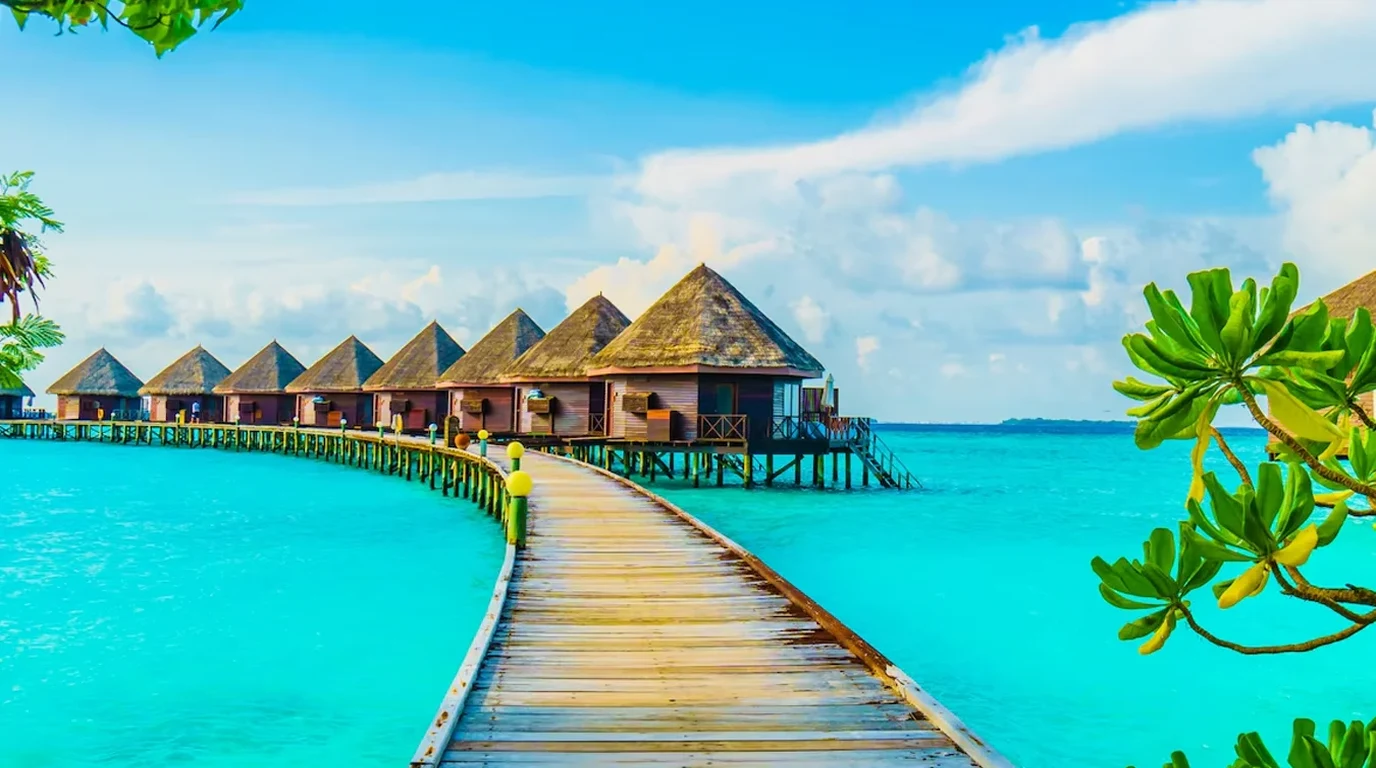
Nothing damages hospitality trust faster than arriving at a hotel only to find that the sparkling turquoise infinity pool on the website was an aggressive Photoshop distortion, or that the "serene private forest" is actually a narrow row of trees buffering a noisy highway.
At AdZio, our visual storytelling philosophy is rooted in authentic, editorial-grade photography and cinematography that elevates the genuine magic of your property without deception:
A single generic marketing message cannot satisfy all travelers. Explore how we tailor editorial storytelling across nine discrete hospitality traveler segments.
Leisure guests are looking to decompress from demanding work routines. Their decision is driven by emotional escapism, sensory calm, comfortable beds, pleasant weather, and restorative surroundings.
"Will I feel truly restored and rested after spending my weekend at this property?"
Corporate guests value speed, reliability, and seamless connectivity. A missing iron, slow Wi-Fi, or delayed room service can disrupt their entire workday.
"Can I work seamlessly, sleep uninterruptedly, and travel to my meetings on time?"
Parents traveling with children and grandparents carry substantial planning anxiety regarding safety, dietary needs, and entertainment for diverse age groups.
"Will our children be safe and entertained while the adults also get to relax?"
Couples celebrating honeymoons, anniversaries, or romantic weekends prioritize acoustic seclusion, sensory beauty, and romantic dining experiences.
"Can we enjoy quiet, uninterrupted romantic privacy in a breathtaking setting?"
Groups traveling together require shared communal gathering spaces alongside individual private retreats to prevent social friction.
"Can we gather comfortably together as a group while retaining private individual space?"
Weddings involve multi-month planning cycles and significant emotional investments. Planners evaluate venue capacities, acoustics, and catering flexibility.
"Will our guests experience an unforgettable celebration without logistical headaches?"
Corporate planners balance productive strategy sessions with team building. They demand technical reliability and transparent corporate billing.
"Will our leadership offsite run flawlessly on time and within budget?"
Local patrons drive valuable weekend food, beverage, and spa revenue. They seek special occasion dining, festive brunches, and day retreats.
"Is this restaurant worth celebrating our special family milestone this weekend?"
Cultural explorers visit for the regional heritage, wildlife, architecture, and hiking trails, using the property as their comfortable sanctuary.
"Will this property connect me authentically to the true soul of the destination?"
Transforming haphazard blogging into a disciplined publishing desk. AdZio coordinates research, writing, visual production, and quality governance into a seamless operational engine.
High-authority travel content cannot be generated with lazy AI shortcuts or hasty 30-minute writing sprints. Every piece of content published under the AdZio hospitality framework moves through nine rigorous developmental stages:
Week 1 • Destination Anchor: 1x Comprehensive Regional Travel Guide or Hiking Trail Blueprint (2,500 words).
Week 2 • Property & Sanctuary: 1x Architectural Suite Showcase or Room Category Comparison with floor plans.
Week 3 • Gastronomy & Craft: 1x Culinary Provenance Story, Chef Q&A, or Signature Menu Spotlight.
Week 4 • Commercial Lead Kit: 1x Wedding Prospectus Update, Corporate Offsite Blueprint, or Seasonal Package Preview.
Hospitality content marketing is not evaluated by aesthetic appreciation; it is judged by its measurable contribution to qualified discovery, brand trust, direct booking revenue, and guest retention.
Tracking non-branded search impressions and clicks across regional destination queries, outdoor hiking trails, seasonal weather, and private villa suite searches relative to local competitors.
Measuring average time spent exploring destination guides and room architecture (averaging 3+ minutes), reflecting deep travel consideration rather than superficial 5-second bounces.
Tracking travelers who progress directly from reading destination guides and suite showcases into checking live date availability and completing direct, commission-free room bookings.
Quantifying qualified destination wedding inquiries, corporate offsite proposals, and private full-property buyout requests flowing through dedicated website event dossiers.
Measuring the gross commission expense spared by converting prospective guests directly on your website rather than forfeiting 18% to 25% fees to third-party online travel aggregators.
Measuring repeat stays generated through pre-arrival concierge sequences, anniversary greetings, and seasonal harvest invitations sent to satisfied past guests.
Distinguishing superficial vanity numbers from true bottom-line hospitality performance.
100,000 accidental clicks from clickbait social posts that bounce within 4 seconds without reading a single room description.
3,500 affluent travelers spending 4 minutes reading your destination guide and clicking into the direct booking engine.
50,000 double-taps on Instagram from international teenagers who admire pretty photography but will never book a stay.
80 confirmed weekend direct room bookings from affluent feeder cities driving high food, beverage, and spa ancillary spend.
100% occupancy achieved through deep flash sales that degrade property prestige, invite rowdy crowds, and yield zero profit margin.
Defending healthy room rates through evocative storytelling, attracting discerning guests who value quality and service.
Before formulating new editorial campaigns, AdZio conducts an exhaustive diagnostic audit evaluating the health, authority, and conversion strength of your property's existing content footprint.
Does your website author the authoritative regional guides for nearby attractions, seasonal weather, and travel routes?
Are your articles deeply researched and helpful travel compendiums, or thin 400-word repetitive SEO filler posts?
Does your content answer the exact logistical, experiential, and travel planning queries active vacationers are searching?
Do room pages provide floor plans, natural light exposure, bed dimensions, acoustic privacy, and verified specifications?
Are on-property leisure activities, pools, recreation, and wellness programs vividly detailed with daily schedules?
Are menus downloadable, transparently priced, and accompanied by stories of local ingredients and dietary accommodations?
Is your photography true to life, natural in daylight, and free from misleading wide-angle distortions and over-processing?
Do destination articles smoothly channel interested readers toward relevant room categories and direct booking paths?
Are flagship destination assets systematically adapted into social reels, carousels, and pre-arrival email sequences?
Are seasonal weather advisories, festival dates, highway route conditions, and menu prices regularly refreshed?
Can a reader transition from exploring content to checking live availability in under two frictionless clicks?
Misguided content efforts quietly burn marketing hours and erode brand prestige. Here are the eighteen most widespread pitfalls we encounter and how we help properties resolve them.
Publishing relentless "Book Now For 20% Off" announcements that alienate travelers seeking inspiration and genuine travel guidance.
Posting 300-word superficial articles filled with generic advice that could describe any city on earth, offering zero local utility.
Cramming repetitive keyword phrases into headings and body text, creating awkward prose that repels sophisticated leisure travelers.
Duplicating competitor blogs and packages instead of discovering and articulating your property's genuine, distinctive character.
Failing to understand that travelers choose a geographic region before selecting a hotel. If you do not write destination guides, OTAs will.
Pairing thoughtful editorial writing with poor, dimly lit mobile photos that destroy the perceived luxury and credibility of the property.
Leaving outdated 2021 festival announcements or discontinued dining menus live on the website, projecting operational abandonment.
Serving the exact same romantic sunset pool villa content to corporate meeting planners and multi-generational family groups.
Writing a great travel guide and simply hitting "publish" on the blog, never repurposing it into Instagram reels, carousels, or email briefings.
Writing an inspiring hiking trail guide but failing to link to your post-hike spa massage treatments or direct room reservation engine.
Celebrating viral traffic spikes from unrelated overseas regions while ignoring the zero room bookings and zero event inquiries generated.
Leaving readers at the bottom of an article with a dead end, failing to provide subtle, helpful calls-to-action to check date availability.
Copying long paragraph blocks directly into Instagram captions, or pasting short social captions onto website destination pages.
Flooding the website with soulless, synthetic AI articles that lack genuine property knowledge, local texture, and human warmth.
Publishing fabricated guest testimonials or buying fake ratings, which modern travelers and search engines easily detect and penalize.
Claiming a 3-star property is a "7-star royal palace experience", setting up impossible expectations that lead directly to furious 1-star reviews.
Touting vague "eco-friendly" credentials without verified rainwater, composting, solar, or waste reduction practices in operational reality.
Failing to answer pragmatic questions about child pool depth, pet rules, and driving directions, causing travelers to book elsewhere.
In hospitality publishing, integrity is the ultimate currency. The content promise made on screen must match the physical reality experienced by the guest upon arrival.
A guest's online satisfaction is not determined solely by the physical luxury of a property; it is determined by the gap between what was promised and what was delivered. When content exaggerates, conceals nearby construction, or utilizes heavily doctored imagery, the guest arrives feeling deceived, resulting in damaging public reviews.
AdZio's ethical publishing charter mandates:
✓ Factual Verification: Every trail distance, driving route, and menu item is verified with local property operational leadership.
✓ Respect for Indigenous Culture: Regional traditions, local arts, and village heritage are represented with historical accuracy and dignity.
✓ Unconditional Price Transparency: Communicating all taxes, extra bed fees, and cancellation policies upfront with zero hidden fees.
✓ Zero Fake Praise: Only verified, authentic guest reviews and testimonials are published across digital channels.
Rejecting cookie-cutter digital agency templates in favor of a cohesive, holistic editorial framework that connects Place, Property, People, Questions, and Stories.
Synthesizing regional topography, climate rhythms, cultural history, and natural wonders into authoritative travel journalism that captures travelers early in their journey.
Architectural suite showcases, transparent floor plans, private balconies, plunge pools, and open landscaped grounds captured through honest, editorial-grade photography.
Humanizing the brand by spotlighting executive chefs, resident naturalists, head concierges, and gardeners whose passion and craftsmanship shape the stay.
Anticipating every logistical, lifestyle, and dietary inquiry with turn-key travel advice, transparent policies, child safety notes, and clear FAQs.
Weaving these elements into multi-channel editorial assets—reels, long-form guides, emails, and lead dossiers—that build deep brand trust and drive direct reservations.
A conceptual digital library structured across ten interconnected editorial volumes, ensuring your property systematically answers every traveler inquiry and seasonal opportunity.
Regional viewpoints, hiking trails, hidden waterfalls, and seasonal climate guides.
Architectural history, courtyard layouts, botanical grounds, and peaceful seclusion.
Villa floor plans, private plunge pools, east-facing sunrises, and acoustic privacy.
Farm-to-fork sourcing, chef tasting menus, poolside mixology, and dietary care.
Restorative Ayurvedic therapies, infinity pools, birding trails, and craft workshops.
Craft profiles of naturalists, gardeners, culinary artisans, and welcoming concierges.
Destination wedding blueprints, corporate retreat riders, and buyout dossiers.
Turn-by-turn driving routes, EV charging stops, and seasonal packing checklists.
Monsoon mists, crisp winter bonfires, summer family camps, and holiday long weekends.
Child safety, pet policies, cancellation terms, and verified operational FAQs.
"The best hospitality content answers the question before the guest has to ask it."
When a traveler visits your website and finds that you have already anticipated their unspoken worries—explaining the depth of the children's pool, showing the exact driving route around seasonal roadwork, detailing the organic ingredients in the breakfast preserve, and providing transparent cancellation terms—something remarkable happens:
Uncertainty dissolves into confidence. The traveler breathes deeply, visualizes their upcoming stay, and confirms their direct reservation with genuine peace of mind. That is the transformative commercial power of true hospitality content marketing.
Comprehensive, practical answers to fifty critical questions regarding destination storytelling, room architecture, SEO content, social media narratives, and direct booking optimization.
Hospitality content marketing is the strategic creation, publication, and distribution of useful, evocative, and search-optimized editorial content designed to communicate a property's character, destination allure, dining experiences, accommodations, and human craft. Unlike transactional advertising, it educates travelers, answers planning questions, and builds deep brand confidence from early discovery to direct booking.
Standard B2B or SaaS content marketing focuses on business software features, productivity workflows, and organizational efficiencies. Hospitality content marketing deals with emotional escapism, sensory calm, physical space, personal celebration, family safety, and experiential fulfillment. The purchase cycle is deeply visual, emotional, and sensory, requiring authentic imagery, spatial floor plans, and regional destination storytelling.
No. While authoritative travel articles form one vital pillar, hospitality content marketing encompasses a broad, connected publishing ecosystem: room and suite architecture descriptions, destination guides, curated travel itineraries, culinary stories, experiential video walkthroughs, guest FAQs, social media narratives, pre-arrival email sequences, and wedding prospectuses.
Urban and boutique hotels benefit most from neighborhood exploration guides, walking itineraries, in-room workspace ergonomics, verified Wi-Fi speed disclosures, executive meeting venue specs, culinary breakfast options, and turn-key transit routes from airports or railway hubs.
Resorts thrive on expansive experiential content: private plunge pool villa showcases, farm-to-table culinary philosophy, restorative spa treatment menus, guided naturalist trails, children's recreation club programs, and regional seasonal travel guides.
Travelers typically fall in love with a destination—its climate, scenery, history, or activities—before choosing where to sleep. By publishing the most authoritative, genuinely helpful local travel guides and seasonal advice, hospitality brands capture travelers at the inception of their search journey, earning immediate trust and driving direct bookings without paying OTA commissions.
A hotel content strategy is a structured operational roadmap that defines what stories your property publishes, for which specific traveler personas, across which digital channels, and how that content supports direct bookings, room yield, and guest loyalty throughout the year.
A resort content strategy centers on communicating the self-contained world of the property: its expansive grounds, private sanctuaries, leisure activities, dining options, and seasonal rhythms, proving that the resort itself is a decisive destination within the destination.
SEO content provides a perpetual, compounding source of high-intent organic traffic. By capturing non-branded search queries around regional viewpoints, trekking trails, and villa types, SEO content reduces your reliance on expensive per-click ads and OTA aggregator commissions.
Hospitality content pillars are core thematic categories that ensure balanced publishing. AdZio organizes content across ten pillars: Property & Grounds, Destination, Experiences, People, Food & Dining, Travel Logistics, Events & Celebrations, Seasonal Transitions, Community & Heritage, and Brand Ethos.
Authoritative destination guides must offer genuine local depth: realistic travel timings, seasonal weather realities, honest hiking trail difficulties, cultural etiquette, and driving routes. Genuinely useful travel advice comes first; property mentions should be subtle and contextual.
Beyond square footage and bed counts, room content should detail natural light orientation, window view sightlines, balcony depth, acoustic privacy notes, custom mattress craftsmanship, bathroom soaking tub specifications, and transparent extra-bed policies.
Experience content should clearly describe daily activity schedules, pool heating status, spa therapy menus, yoga pavilion timings, naturalist trail difficulty ratings, and children's recreation club activities, assuring guests of daily leisure fulfillment.
Hotels should deploy 15-second natural ambient reels on Instagram, 4K architectural walkthroughs on YouTube, virtual event space tours for wedding planners, and drone aerial videos establishing the property's relationship to the surrounding landscape.
Social media should function as an emotional window of escapism rather than a discount bulletin board. Prioritize ambient sensory sounds, culinary plating, staff craftsmanship, and authentic guest moments rather than constant promotional graphics.
Repurposing is the strategic practice of adapting a single flagship long-form travel guide into multiple micro-assets: 3 Instagram reels, an educational carousel, a pre-arrival email briefing, a downloadable PDF itinerary, and website FAQ entries.
Quality always supersedes quantity. Publishing two deeply researched, comprehensive travel guides per month delivers vastly higher search authority and guest trust than publishing twenty superficial 300-word generic blog posts.
Only if the blog is operated as an authoritative travel publication. If a property plans to post sporadic, generic promotional blurbs, it is better to invest resources into improving room page architecture and local Google Maps optimization.
Yes. Downloadable 3-day weekend itineraries and regional road trip guides provide immense utility to vacationers, allowing them to save the document offline and generating valuable email contacts for future seasonal re-engagement.
Content marketing reduces uncertainty. When travelers find transparent room specs, authentic daylight photography, clear driving directions, and plain-language policies, their psychological risk is eliminated, empowering them to book directly.
Yes. Content drives direct reservations by capturing high-intent search queries, providing compelling direct-booking incentives, proving rate value over competitors, and creating frictionless pathways to the booking engine.
High-quality editorial pages serve as relevant landing pages for Google Ads. Pairing search ads with rich content improves Google Quality Scores, lowers cost-per-click (CPC), and dramatically improves paid conversion rates.
Content provides the semantic entity structure required for rich structured data (JSON-LD), internal cross-linking signals, natural keyword coverage, and high-dwell user engagement metrics that Google's algorithm rewards.
A structured content calendar eliminates the daily panic of "what should we post today?". Flagship articles and photo shoots feed social media managers a constant pipeline of authentic stories, reels, and carousels.
Always request explicit written permission via direct message or comment before reposting guest photos, credit the creator prominently in captions, and never repost images containing identifiable children without parental consent.
Maintain a clear digital permissions log. Reposting without consent exposes the property to copyright infringement claims and compromises guest trust. Treating guest memories with respect builds passionate brand champions.
Yes, but with strict vetting. Avoid vanity creators with inflated, bought followings. Partner exclusively with vetted storytellers whose visual quality matches your aesthetic, whose audience resides in your feeder cities, and who grant commercial usage rights.
Evaluate audience geographic concentration, verified engagement rates, aesthetic alignment, professional storytelling craft, and willingness to follow ASCI advertising disclosure regulations (#Sponsored / #Collaboration).
Track organic non-branded search impressions, dwell time on destination guides (3+ minutes), direct booking engine sessions initiated from content pages, event lead dossier downloads, and commission savings realized.
Net direct room revenue, average daily rate (ADR) defense, wedding and corporate retreat pipeline value, customer acquisition cost (CAC), and direct alumni repeat booking rates.
No. 50,000 accidental visits from distant regions that bounce in 3 seconds generate zero business value. 2,000 qualified visits from affluent regional feeder cities reading suite guides and checking dates generate immense commercial value.
Content attribution tracks how various content pieces assist a final booking. A guest may discover a property via a hiking guide on mobile, review suite specs on a laptop, and book via branded search 10 days later. Multi-touch attribution recognizes the contribution of early content.
Seasonal travel weather and road conditions should be updated quarterly. Room amenities and dining menus should be updated immediately whenever operational changes occur to prevent guest friction upon arrival.
Review customer service inquiries, front-desk questions, negative online reviews, and regional Google search auto-completes. Unanswered questions regarding child safety, pet rules, or transit logistics represent immediate content gaps.
Writing only promotional ads, publishing generic travel fluff, keyword stuffing, letting seasonal guides decay, using blurry smartphone photos, ignoring regional destination searches, and over-relying on soulless unedited AI text.
Launch seasonal guides 60 to 90 days before peak seasons (monsoon mists, winter holidays, summer school vacations). Early publishing captures proactive trip planners and secures premium room rates before inventory fills up.
Publish real wedding photo essays showcasing mandap setups, banquet lawn seating capacities, sound curfew regulations, outside catering kitchen rules, and a downloadable PDF planning dossier for brides and wedding planners.
Highlight dual-redundant high-speed broadband, modern conference AV systems, outdoor breakout discussion lawns, managed team-building activities, and streamlined corporate billing with GST documentation.
Celebrate indigenous craft traditions, local temple architecture, regional folk music, and village agriculture with historical accuracy and dignity, avoiding superficial cultural stereotyping.
Share stories of farm-to-table estate ingredients, chef profiles, interactive digital menus with transparent pricing, dietary accommodations (Jain, vegan, gluten-free), and private destination dining experiences.
Feature head naturalists, resident gardeners, executive chefs, and head concierges, celebrating their expertise, craft, and passion while fully respecting personal privacy and dignity.
By comprehensively covering the entire regional travel sphere: sights, hiking trails, local history, driving routes, seasonal weather, and suite architecture, proving to search engines that your domain is the definitive regional resource.
A content cluster is an interconnected network of pages: a central high-authority destination guide linked contextually to specific room showcases, dining pages, spa treatments, and direct reservation pathways.
Distribute through your official website, search engines (SEO), Instagram reels and carousels, YouTube 4K videos, pre-arrival email briefings, and precision remarketing campaigns.
By grounding every article in verified property reality: real architectural floor plans, actual chef ingredient sourcing, authentic local naturalist trail timings, and professional natural-daylight photography.
Photography is the emotional anchor of hospitality. Authentic, golden-hour, high-resolution photography substantiates premium room rates and builds profound guest trust that stock images can never provide.
By eliminating surprises. When a hotel transparently discloses room square footage, child pool depths, pet rules, and all taxes upfront, travelers feel respected and book with confidence.
No ethical marketing agency can guarantee specific #1 Google rankings, as algorithms evolve continuously. We guarantee rigorous editorial substance, technical SEO best practices, and topical depth that maximizes ranking potential.
No. Occupancy depends on operational service quality, regional weather events, pricing dynamics, and economic cycles. Content marketing ensures your property captures maximum qualified demand at healthy direct rates.
Social reels and pre-arrival email sequences deliver immediate engagement within days. High-authority destination SEO and topical authority typically compound substantially over 3 to 6 months, building enduring organic direct booking equity.
Partner with AdZio's hospitality publishing strategists to audit your content footprint, build regional destination authority, and transform lookers into direct guests.
AdZio creates hospitality content strategies that connect destination discovery, property storytelling, useful travel information, search visibility, social content and meaningful guest journeys.
Social Amplification & The Content Repurposing Engine: "One Story, Many Experiences"
Authoring high-value hospitality editorial content requires significant time and research. Our repurposing architecture ensures every flagship story delivers maximum value across multiple digital touchpoints.
The Multi-Channel Multiplier Framework
Rather than constantly inventing fragmented, disconnected social posts on a daily basis, we treat your long-form destination guides and architectural photo essays as foundational master assets. A single deeply researched guide to your region's hidden waterfalls and spice plantations provides the raw material for weeks of high-engagement multi-channel distribution.
Here is how a single master destination asset unfolds across the digital ecosystem:
For our full social media creative frameworks and photography guidelines, consult our in-depth Hotel Social Media Marketing guide.
The "One Story, Many Experiences" Waterfall
1. Master Editorial Article: 2,500+ Words • High SEO Depth • WebP Photography
↓ Deconstructs Into:
2. Micro-Video: 3x Vertical Reels • 1x 4K YouTube Walkthrough
3. Visual Social: 2x Multi-Slide Carousels • 5x Story Snippets
4. Email Lifecycle: Pre-Arrival Concierge Segment • Monthly Guest Journal
5. Digital Asset: Downloadable PDF Itinerary • Website FAQ Entries